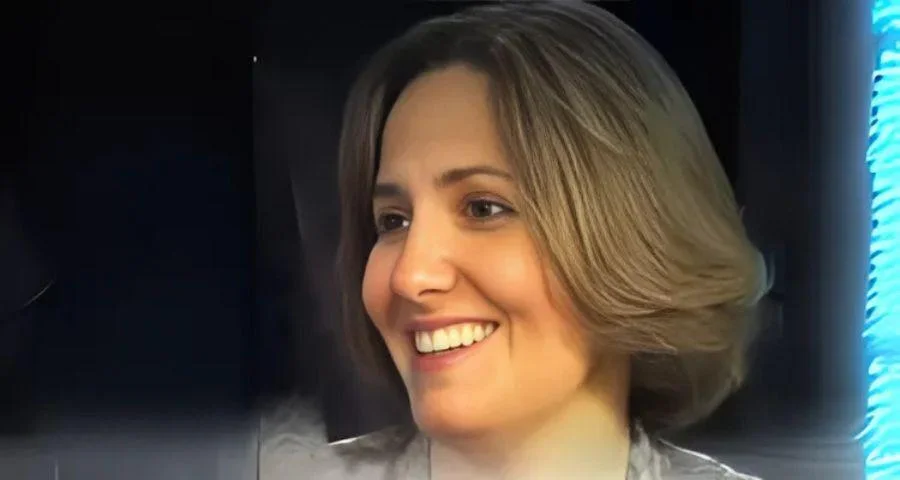
Elizabeth “Betsy” Corcoran, Co-founder and CEO | EdSurge Research
Late last month, Hurricane Melissa struck Jamaica and other Caribbean regions as one of the strongest Category 5 storms recorded. This event is part of a broader trend of severe natural disasters seen globally this year, including tornadoes, wildfires, earthquakes, and heat waves.
Hailey Gibbs, associate director of early childhood policy at the Center for American Progress, commented on these developments: “We’re watching climate change unfold before our eyes.” She emphasized that while climate change affects all populations and industries, children and their caregivers are particularly vulnerable to its impacts.
Gibbs highlighted the lack of support for early educators in protecting young children's health. “The fact that there are so few supports for early educators, to help protect young children’s health … it’s something we really can’t talk about enough,” she said. Gibbs recently co-authored a report detailing the risks climate change poses to those involved in early care and education.
A national survey conducted by RAPID at Stanford University in August 2024 found that 57 percent of child care providers and 61 percent of parents with children under age six had experienced at least one extreme weather event in the previous two years. More than half of parents reported negative effects on their children's physical health and emotional well-being due to extreme weather.
Children often spend time outdoors during the day, but extreme heat or poor air quality can limit this time. Gibbs referred to these as “lower-attention crises,” which can affect children’s relationship with nature and hinder learning experiences.
Recent disasters have directly impacted child care infrastructure. Earlier this year, wildfires in Los Angeles destroyed at least 40 child care programs and forced another 240 to close. In September 2024, Hurricane Helene damaged at least 55 child care programs in western North Carolina so severely they could not reopen, resulting in an estimated $46 million in repair costs.
According to Gibbs and her co-authors, infants and young children are especially susceptible during such events because their bodies do not regulate temperature as effectively as adults', and they breathe more rapidly. During emergencies, they depend on adults for safety measures like hydration and appropriate clothing.
Natural disasters also affect children's psychological well-being. They may experience trauma or mirror stress from caregivers. For instance, a three-year-old who fled Hurricane Helene exhibited tantrums, sleep disruptions, and bed-wetting for months afterward.
Extended closures of schools or early learning programs disrupt routines crucial for young children's sense of security. Consistent caregiver relationships are important for development; disruptions can undermine feelings of safety.
Early childhood educators face additional challenges due to low wages—nearly half rely on public assistance programs such as Medicaid or food stamps. When disasters threaten their homes or jobs, recovery is difficult without sufficient resources. “It’s an immense burden to put on an already vulnerable sector,” said Gibbs. Home-based providers encounter further difficulties related to living where they work and navigating zoning laws.
Gibbs suggests increased public investment at federal, state, and local levels as the best response to current threats from climate change. However, she notes that political obstacles make significant federal action unlikely soon; states also face budget constraints after recent federal funding cuts.
Other possible steps include integrating climate resiliency into governance structures and involving stakeholders such as parents, businesses, and community leaders in emergency planning efforts. “The overarching theme is that we should be proactive, rather than reactive,” Gibbs said. “We need to make sure we have plans in place, investments in place, to support early educators in the crucial role they play in being the glue that brings vulnerable families together.”



 Alerts Sign-up