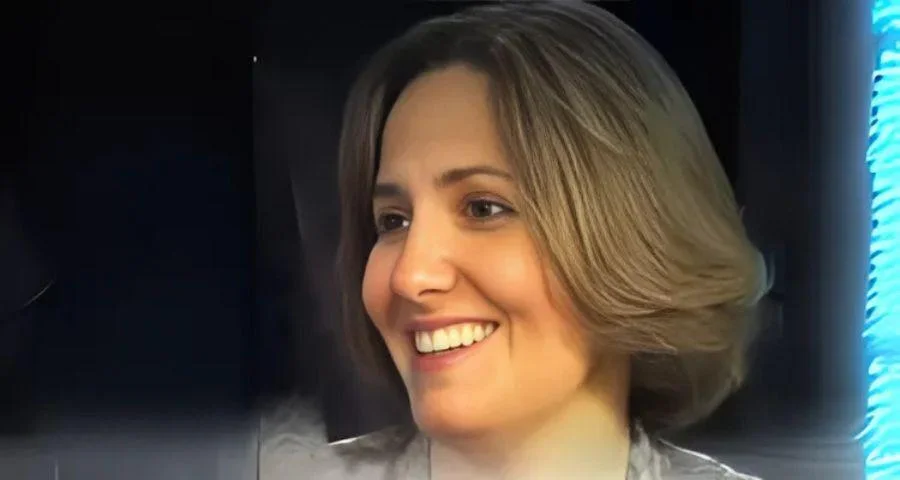
Elizabeth “Betsy” Corcoran, Co-founder and CEO | EdSurge Research
Educators are increasingly reflecting on the role schools play in shaping not only students’ academic skills but also their ability to participate constructively in democratic society. In a recent essay, an educator shared experiences from teaching in Nevada and later at Red Bridge, a private K-8 school, highlighting the importance of social-emotional learning (SEL) alongside traditional academics.
The author described how exposure to constant negative news can lead educators to question the impact of their work. However, they emphasized that schools remain crucial for developing citizens who can engage in civil discourse and problem-solving within their communities.
"Teachers and school leaders know that strong academic skills are essential for informed citizens who can reason critically about the world. I also believe that social-emotional learning (SEL) is just as critical to healthy democratic engagement, especially in how students demonstrate care for others, navigate differing values with respect and develop the ability to collaborate and compromise."
Reflecting on early teaching years, the educator recounted challenges such as student cliques and lack of SEL resources. Administrative pressures often left little time to address interpersonal issues among students. The absence of structured SEL instruction was seen as contributing not only to classroom dynamics but also to broader community difficulties: "When we don’t open up resources and time for SEL instruction, we also miss important opportunities to coach students on the habits they need to become thoughtful adults in their civic lives."
A shift occurred after moving to a charter school in San Jose, California, where an SEL curriculum was introduced. The educator noticed improvements in student ownership over actions and conflict resolution skills. Later, at Red Bridge School during its founding phase in 2020, SEL became a priority. The team developed core habits expressed simply for students:
“Thinking about others and what they might need helps make our community a better place.”
“I know how to respectfully navigate differences in values when I encounter them.”
“Healthy relationships within a community are a two-way street that requires a balance of interests and sometimes compromise.”
To support these goals, regular SEL instruction was scheduled through weekly morning meetings and collaborative activities throughout the day. When conflicts arose among students, teachers paused lessons to guide children through resolving them rather than dismissing concerns due to time constraints.
The educator observed positive changes: "As a result, daily, I hear students using language from their teachers and showing the mindsets of effective community members," sharing examples of children expressing flexibility or empathy toward peers.
While acknowledging that SEL alone does not guarantee effective democratic engagement without rigorous academics, the essay concluded by emphasizing schools’ unique position as early communities where these foundational skills are nurtured.
"As educator Deborah Meier reminds us, democracy isn’t perfect or guaranteed, but it can work if we focus on growing our emotional thinking and empathy — rather than just hoping things turn out OK."



 Alerts Sign-up