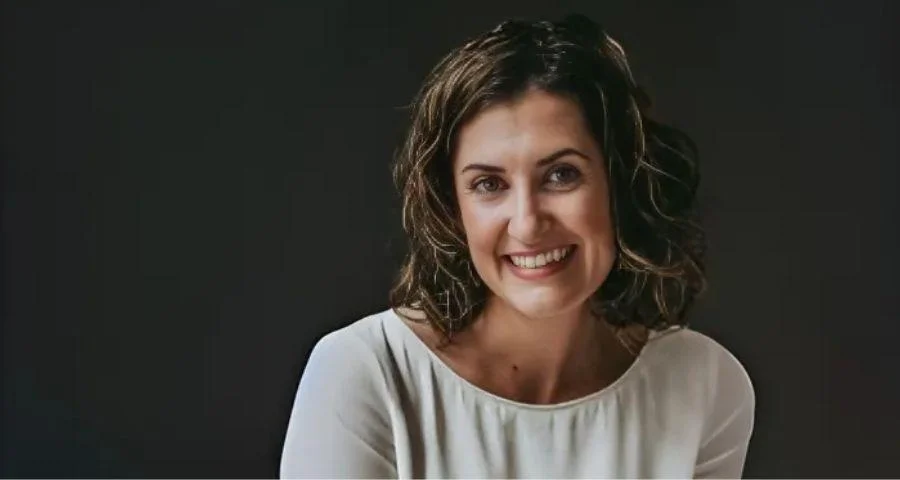
Dr. Barrie Olson, vice president of reading curriculum and instruction at Curriculum Associates | Curriculum Associates
In schools across the United States, educators are examining new methods to improve how students understand what they read. This shift aligns with the science of reading, a field that combines research from several disciplines to determine effective ways for children to learn to read. The science of reading supports explicit teaching in key literacy areas: phonemic awareness, phonics, fluency, vocabulary, and comprehension.
One important idea within this framework is knowledge building—helping students gain background information that can make it easier for them to comprehend texts. Studies indicate that when students have more background knowledge, they find it less challenging to understand complex material. Research in brain science also suggests that background knowledge can reduce mental effort needed during reading, allowing students to focus on deeper learning and synthesis.
Dr. Barrie Olson, vice president of reading curriculum and instruction at Curriculum Associates, believes there is value in going beyond just building knowledge. Olson has experience in curriculum design and professional learning. She promotes what she calls a “cycle of knowledge,” where students not only collect information but also create something with it and share their ideas with others. Many literacy experts agree on the importance of moving past simple acquisition toward synthesis and communication.
Olson explained her perspective in an interview with EdSurge:
“When I talk about going beyond knowledge building, I'm referring to the fact that classroom instruction often treats knowledge as static. But it's constantly evolving. And so I'm really interested in not what kids know, but what they do with what they know.”
She described the cycle’s three components: consume, create, and communicate.
“Anytime you put information in front of somebody, the first thing they're going to do is consume it — by reading, watching, listening or engaging in some way.
But we want them to move beyond consuming. We want them to create with that knowledge — that’s synthesis. Knowledge doesn’t exist in a vacuum. As soon as we learn something new, we’re already connecting it to other things we’ve read, things we’ve heard, what we already know. We’re listening to our peers, adjusting our thinking. That’s the act of creating through synthesis — it’s about pulling all those threads together and making something new out of them.
Finally, we want them to communicate that information. We don’t want them to just do this thoughtful synthesis work and keep it in their heads. We want them to take it in, think about it, do something with it and then share it out.”
To illustrate how this might look in practice for teachers:
“Imagine you’re a fourth grade teacher kicking off a unit on volcanoes. You want your students to write about Mount St. Helens. Traditionally, you might start by giving them a few articles about volcanoes, build some general background knowledge and then have them read the main text — maybe a nonfiction piece — before asking them to write an essay about volcanoes. It’s a straightforward approach: build knowledge first, then apply it.
But in a unit designed around the cycle of knowledge, it works a little differently. You actually begin with the anchor text — the one that sparks curiosity and raises big questions. Then you work backward: What do students need to know to truly engage with this text? What gaps do we need to fill? Yes, they still learn about volcanoes, but the learning is focused and intentional. And as a teacher I’m thinking: How do I make this come alive for them?
And then it's about asking them to share their knowledge in an authentic way. In this case maybe the students become volcanologists. They create a multimedia presentation to explain what happened at Mount St Helens and present it to a group of third graders.They’re not just summarizing facts—they’re taking on a role applying what they’ve learned,and communicating it the way a real scientist might.That’s when you see the power of synthesis and purpose come together in the classroom.”
Olson says this method helps deepen student engagement:
“In this kind of curriculum students move through a cycle of reading,synthesizing ideas,and communicating what they’ve learned in meaningful ways.This is how literacy works in the real world,and ultimately that's the purpose of literacy education—helping students understand the world and respond in meaningful ways.Knowledge building is just the first step;what comes after is where students really get use their brains.”
She notes that traditional approaches may leave some children unsure how best express themselves:
“We have kids who are sitting class thinking,'Well what does my teacher want me say? There's right answer I just need figure out what is,'as opposed 'I have all this information,I understand information now what's thing I want share?'”
Olson emphasizes making student thinking visible:
“The thinking process is not visible unless you emphasize it and give students opportunities show how synthesize their ideas.The thinking piece is connects all.”
She adds:
“Oftentimes when discussing engagement education,it's surface level engagement:If choose cool topic think my kids will like they'll be engaged.That may or may not be true.If your student doesn't know they're supposed doing likely not truly engaged.Conversely when students know where headed why matters,you get engagement.”
This instructional style also provides clear checkpoints for teachers:
“This type instruction also creates discreet check-in points during which teachers consider knowledge skills students need each stage.It's true backward design:If where want kids end what need know along way?Let's make sure understand those pieces before moving forward.”
Asked why teachers should adopt these concepts Olson responded:
“A word I didn't use lot,but that's central,this,is thinking.When talk about literacy,we focus on reading writing.But most critical piece is thinking.The thinking process isn't visible unless emphasize give opportunities show how synthesize ideas.The thinking piece connects all.We often think about reading writing as outputs rather than drivers.But literacy thinking crux.”



 Alerts Sign-up