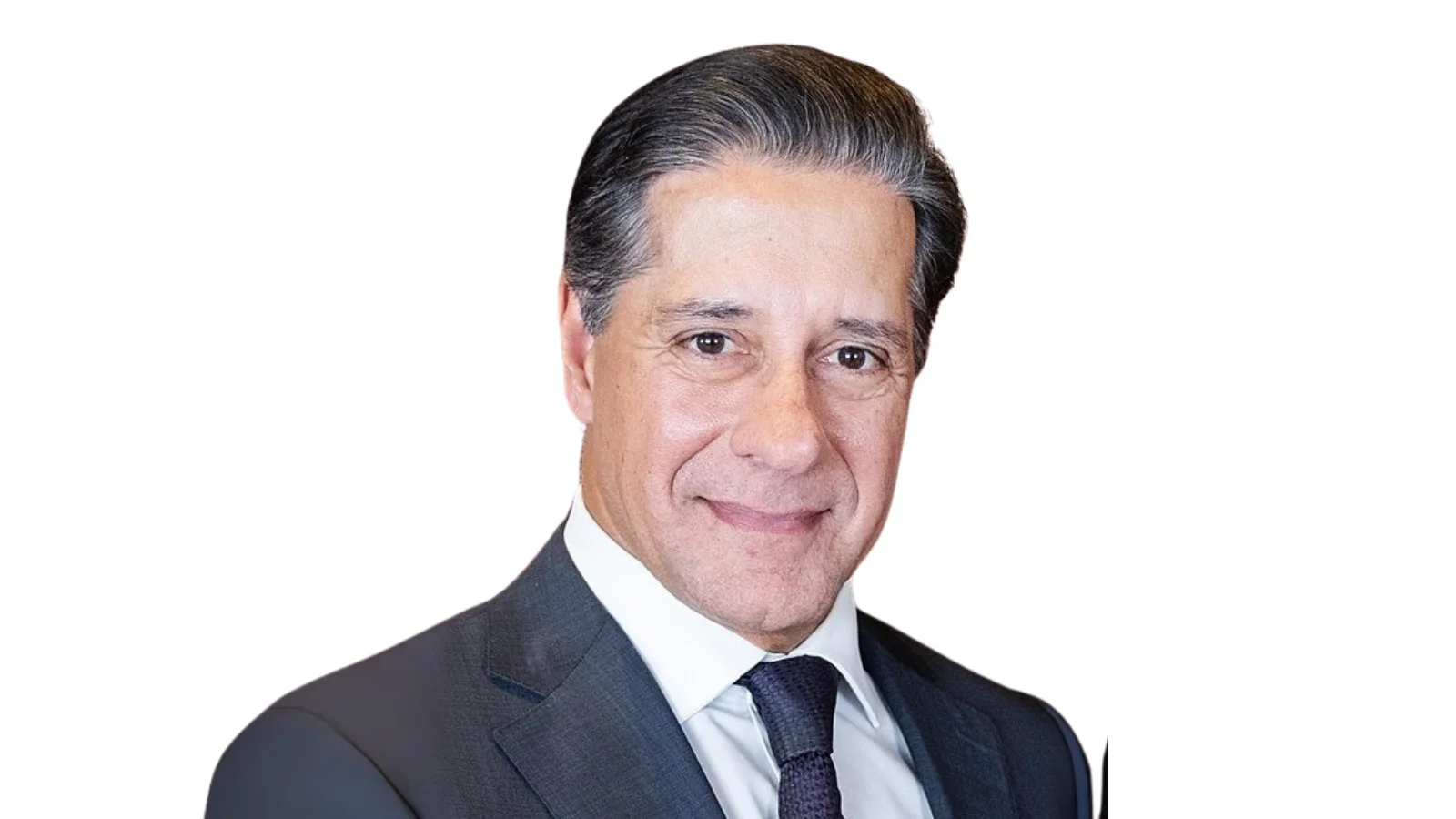
Alberto Carvalho, Superintendent | Wikipedia
Schools across the United States are working to address the effects of recent immigration enforcement actions on students and families. The Trump administration’s stepped-up immigration raids have caused concern among parents, with some choosing not to send their children to school due to safety fears. Reports indicate that some districts have seen families leave the country in response.
In 2021, it was estimated that about 620,000 K-12 students in public schools did not have legal status in the U.S., representing roughly 1 percent of all public school students.
Since the start of the current school year, education leaders and advocacy groups have drawn attention to these challenges. Anxiety has grown following a Supreme Court decision allowing federal agents in Los Angeles to question individuals about their immigration status based on factors such as race, ethnicity, or language spoken.
Panel discussions hosted by America’s Voice and Advancement Project brought together experts who addressed what role schools should play in helping parents and students feel safe.
Clinical child psychologist Allison Bassett Ratto explained during an America’s Voice panel that fear stemming from visible immigration apprehensions can impact any child but is especially harmful for immigrant children. She said, “What they see are their classmates, their family members, their neighbors often being apprehended in violent and confusing ways while going about their daily lives, and this for children creates a sense that nowhere and no one is safe,” Bassett Ratto said. “Young children don't understand who is at risk of being detained in this way, so this creates a sense of fear and worry that they or their families could be next.”
Noel Candelaria, secretary-treasurer of the National Education Association and a special education teacher, described how children of immigrant parents feel unsafe: “Every student, cada estudiante, deserves to feel safe at school,” Candelaria said.
Alberto Carvalho, superintendent of the Los Angeles Unified School District, shared his personal experience as a former undocumented immigrant: “As a once-undocumented immigrant, as someone who grew up in poverty and slept under a bridge, I cannot speak or address anyone without recognizing the impact that education has had on my life and that thousands of students are facing the same challenges and the same traumatic abuse I felt as a teenager alone in this country,” Carvalho said. “We are asserting the fundamental rights that belong to our children as prescribed and interpreted in the Constitution.”
Research indicates that stress related to unstable environments can hinder childhood development and affect learning. Bassett Ratto added: “What we see in terms of school impacts is that when a child is managing trauma, anxiety or intense stress, it significantly impacts their ability to pay attention because that is like a vice on their brain,” she said. “Fundamentally, it puts them in this fight or flight, the survival mode where math class or their band instructor is unfortunately moving to the back burner as they try and just get through their day over the long term.”
Fedrick Ingram, secretary-treasurer of the American Federation of Teachers and a high school band director in Miami, noted discrepancies between normal school routines and heightened fear due to immigration arrests. He stated: “Unfortunately, we’re up against what we’ve not seen in the country in a long time, where we are traumatizing students and then asking them to go home and do school work in a traumatized situation,” Ingram said. “What many of our lawmakers have done is point fingers at our educators, point fingers at our students and say, ‘You didn’t pass this test,’ or ‘You didn’t do enough.’ They fail to understand these kids will bring those traumas to school and try to do the best they can, and we’re forcing them to try to process these things faster than they should, so shame on this administration.”
Kristal Moore Clemons from Children Defense Fund’s Freedom Schools program emphasized schools’ responsibilities beyond physical safety: “This means superintendents, principals, school board members must establish clear procedures for how their staff should respond if ICE agents appear on school grounds,” she said during an Advancement Project panel. “This means taking the time to teach all students in all districts what their rights are if they are ever approached or questioned by immigration officials.”
Carvalho reported only a slight enrollment decrease so far at Los Angeles public schools but noted comprehensive efforts by district leadership—including more bus routes and expanded mental health services—to reassure families about student safety.
“We prevented DHS agents from coming into our schools to talk to a first grader and second grader. What danger do elementary kids pose to national security?” he said. “I hope the community feels from us that we are that protective space, that our schools are those safe zones.”
Miami-Dade County Public Schools experienced an enrollment drop exceeding 13,000 students this fall—a change attributed both to immigration policy concerns as well as declining birth rates and moves for affordability elsewhere. The district leader pledged there would be no teacher layoffs despite potential funding losses.
“While we can't attribute all of that to the immigration fight," Ingram said,"we know that there's a significant portion of people who are just not sending their students to school because of fear of deportation... Where those dollar figures add up is there are fewer teachers, there are fewer programs and there's less funding for students overall. And so anytime you get this particular kind of issue or this particular kind of trauma and stress to a school system,it hurts everybody from top to bottom."
Adaku Onyeka-Crawford from Advancement Project described how some Washington D.C.-area families walk children together for added safety: "They walk together...to make sure they get to school safely...However,we don't see that commitment coming from district leadership.We want them...to make sure resources are available...because...parents & leadership need support & aren't receiving it."


 Alerts Sign-up