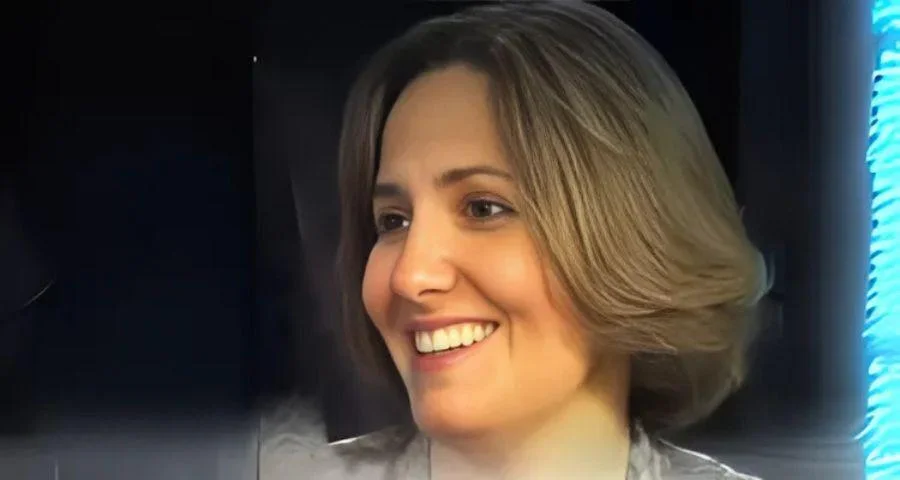
Elizabeth “Betsy” Corcoran, Co-founder and CEO | EdSurge Research
Many students with disabilities face low expectations in schools, often resulting from a system shaped by ableism and ingrained inequality. The writer, who discovered their own ADHD in adulthood, describes experiences as both a student and educator that illustrate how educational practices can limit the potential of students with disabilities.
In New York City Public Schools, the author aimed to challenge these patterns by providing meaningful opportunities for all students. However, they observed that empathy often translated into lowered standards. According to “The Opportunity Myth,” a study by The New Teacher Project, many students—particularly those with disabilities and students of color—do not have consistent access to grade-level assignments, strong instruction, deep engagement, or high expectations. The study found that while 94 percent of students want to go to college and 86 percent believe hard work leads to success, only 17 percent of classrooms provided all four resources combined.
Within one school community serving special needs students, the author’s research showed that just 33 percent of teachers believed their students could perform at grade level even with appropriate supports. Students reported feeling limited by repetitive and disconnected assignments. Teachers often cited behavioral or cognitive challenges as reasons for reducing academic rigor rather than employing strategies to address gaps.
The article notes that such practices can result in self-fulfilling prophecies where students internalize low expectations. Statements from students reflect this reality: “The teachers don’t think we can do the same work as other kids, so they don’t even try to teach us the same way,” said one student; another remarked, “We are expected to act out and not learn, so I behave exactly that way.”
To address these issues, the author suggests five classroom shifts: setting grade-level standards with scaffolding; designing tiered tasks for differentiated access; using formative feedback instead of inflated grades; ensuring equitable participation in rigorous dialogue; and including students in ownership of their goals.
The article concludes with a call for higher expectations and genuine accountability rather than performative inclusion or over-empathy. “Students with disabilities don’t want kindness; they want a classroom that feels worth fighting for. They want to know the support is real and that the challenge isn’t a punishment. They want to leave school more flexible and ready for life’s thorns.” The writer adds: “As a system, we cannot continue to excuse under-preparation with over-empathy because students with disabilities don’t need our pity; they need our belief.”





 Alerts Sign-up